

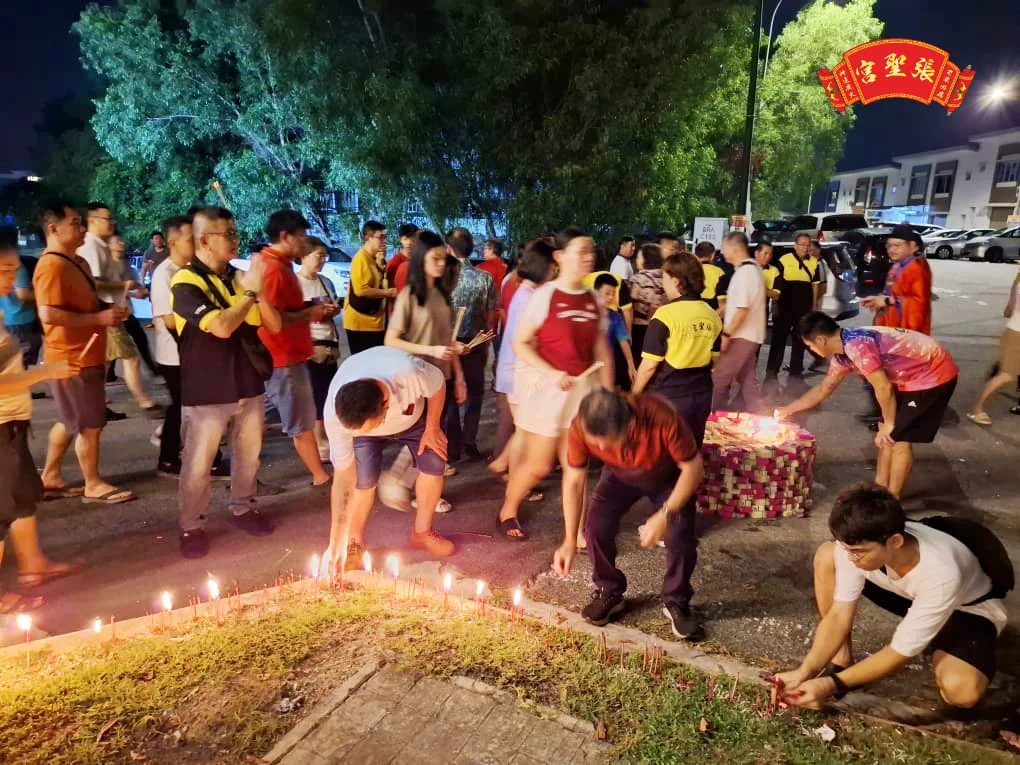
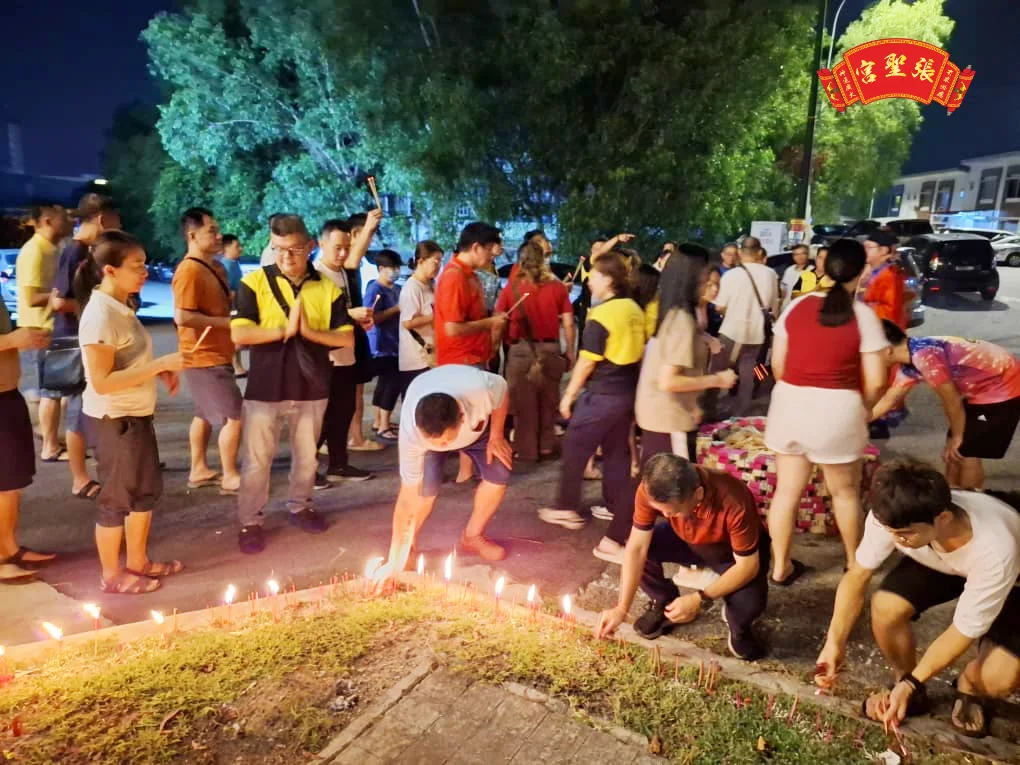

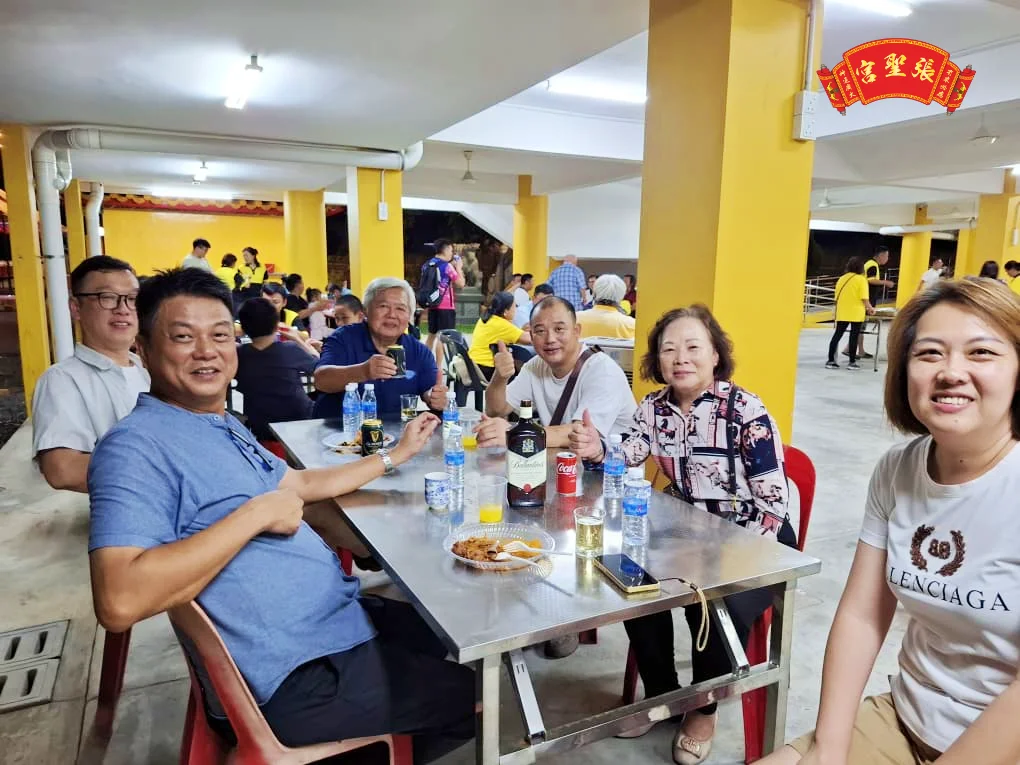


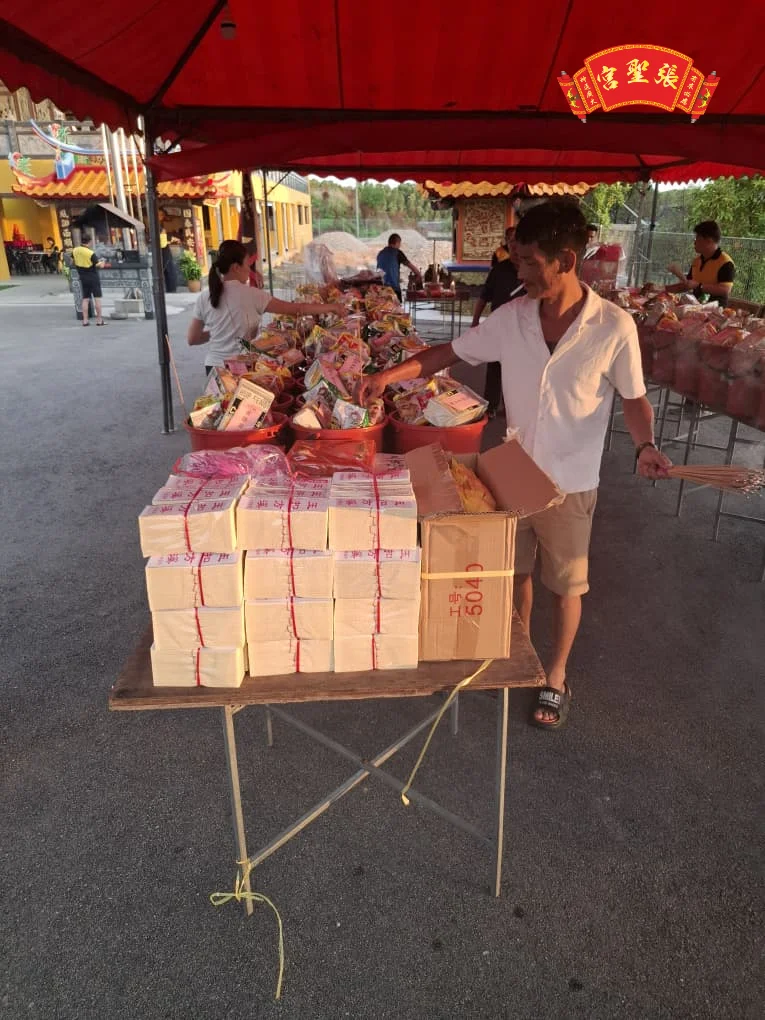

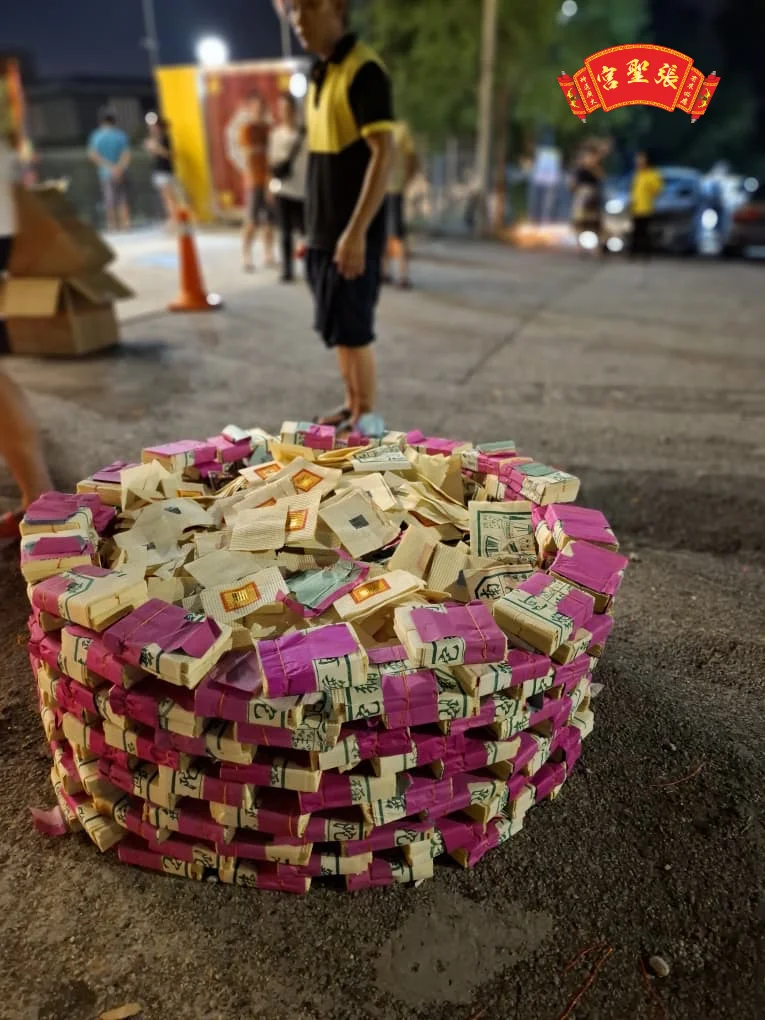
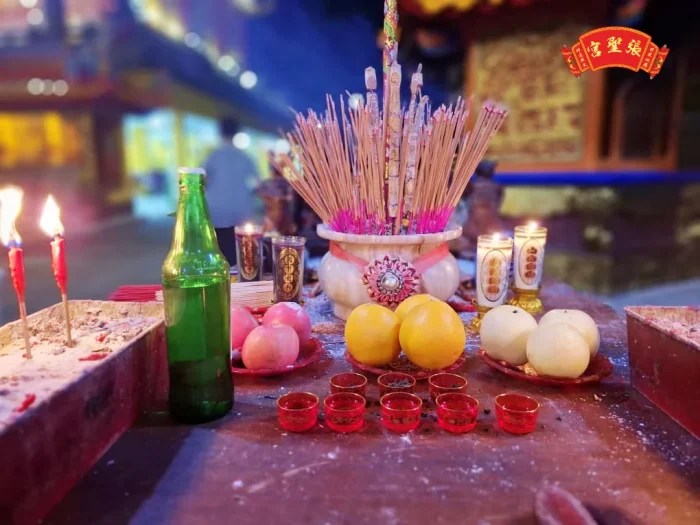
普渡法会 Purdue Prayers Event
5th Sep 2025
九月五日
晚上七时正 7.00pm

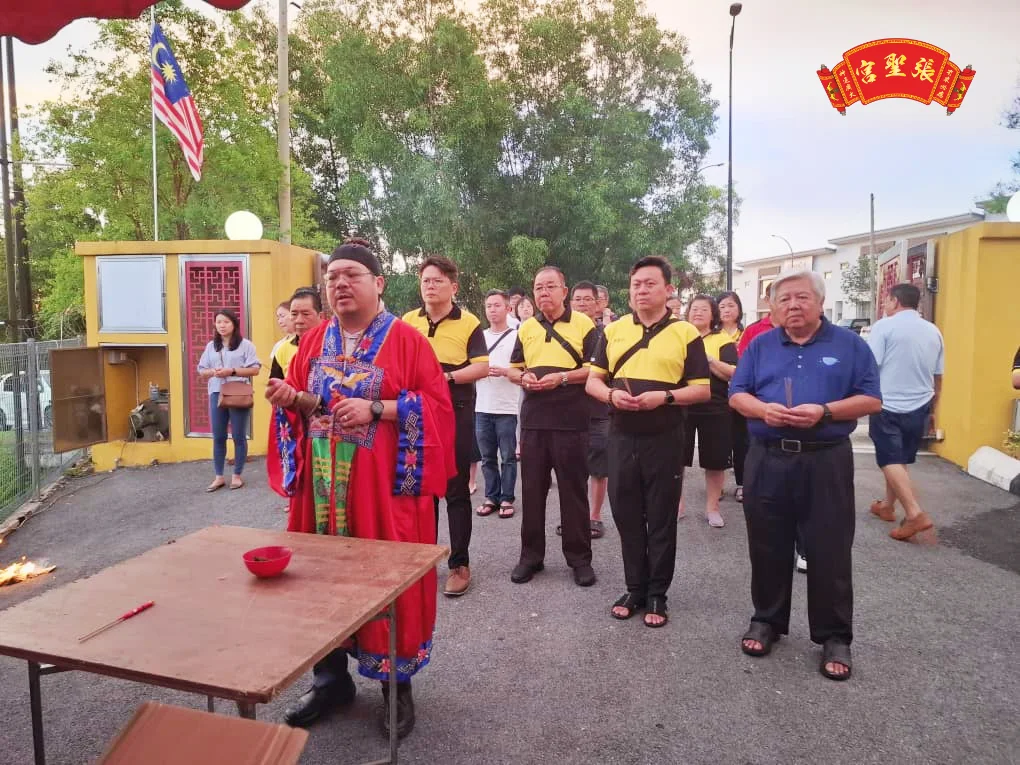
Tew Seng Keng Temple would like to extend our heartfelt gratitude to the eight Taoist Masters from YongChun, Xiamen, China, for traveling a great distance to preside over our grand ritual ceremony held on April 8, 2025. We express our deepest appreciation especially to the Second Master for serving as the lead ritual master, guiding the ceremony with wisdom and devotion — truly a boundless merit.
Thanks to the compassion and spiritual strength of the eight Taoist Masters, along with their profound ritual expertise, the ceremony was carried out smoothly and successfully. From the setup of the altar, the invitation and installation of the deities, to the chanting of scriptures, blessings for peace, and merit dedication for the departed — every step reflected the solemn and dignified beauty of Taoism, allowing all devotees to share in the joy of Dharma and grow in both blessings and wisdom.
Despite the distance, the Masters came selflessly to assist with the ceremony, sincerely chanting scriptures and praying for blessings and peace. Their presence brought immense honor and spiritual light to Yew Seng Keng Temple and bestowed blessings upon all devotees. We are sincerely grateful and deeply moved.
The Taoist tradition has been passed down for a thousand years, and thanks to the continued efforts of these dedicated Taoist Masters, the spirit of Taoism remains alive and strong. The entire board and committees of Tew Seng Keng respectfully express our deepest thanks to the eight Taoist Masters. We sincerely pray for the continued health and vitality of the Second Master and all the attending Masters, for the flourishing of Taoist teachings, and for their protection and blessings to shine upon all beings.
With deepest respect,
The Board Committees of Tew Seng Keng


With utmost respect and joy, we participated in the cross-border cultural and religious exchange event hosted by the Lao Nong Sheng Jun Miao (Temple) in Kaohsiung, Taiwan. Through this grand gathering, we deepened the spiritual bonds between temples, and we experienced the beauty of Taiwanese culture and the divine blessings of the deities.
Tew Seng Keng remains committed to spreading kindness and righteousness, upholding our faith, and walking hand in hand with temples around the world to preserve tradition and foster meaningful connections.
We sincerely thank Lao Nong Sheng Jun Temple for the warm and heartfelt hospitality.
We are deeply grateful for the overwhelming divine grace!
From the bottom of our hearts, thank you for your kind reception,
which filled our journey with warmth and touching moments.
It is through your companionship and care
that we truly experienced Taiwan’s most beautiful scenery —
the heartfelt warmth shared between people.


The 9th day of the first month in the lunar calendar marks the birthday of the Jade Emperor, commonly known as “Tian Ri” (Heavenly Day) or “Tian Gong Dan.” It is one of the most important days of the year for the Hokkien community. Most of the household spares no expense in preparing various offerings on the eve of this day. Among these offerings, the Tian Gong Altar made of paper is especially essential. Usually, people buy the Tian Gong Altar from shops that sell prayer items. But have you ever thought about making one yourself?
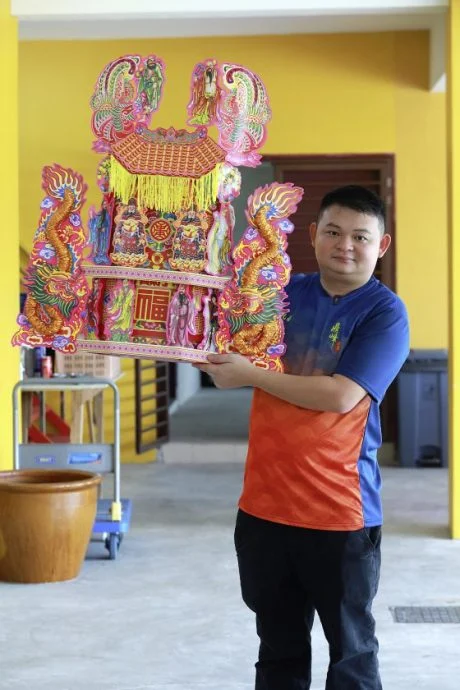
The Jade Emperor’s “house” is known as the Tian Gong Altar. Eric Ng, known as the “Paper Craft Brother” from Ding Feng Paper Effigies Trading, has been actively promoting the traditional art of paper crafting by organizing workshops in schools. In conjunction with the Chinese New Year, he was invited by Tew Seng Keng Temple, Klang, to conduct a Tian Gong Altar Workshop.
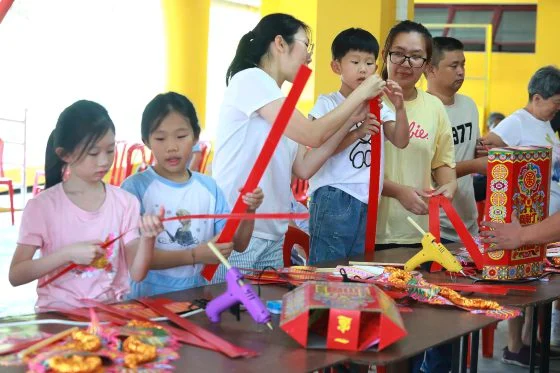
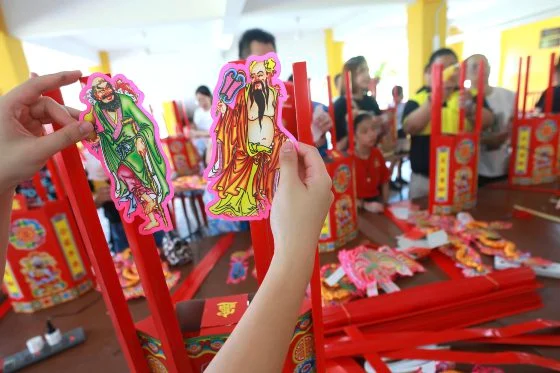
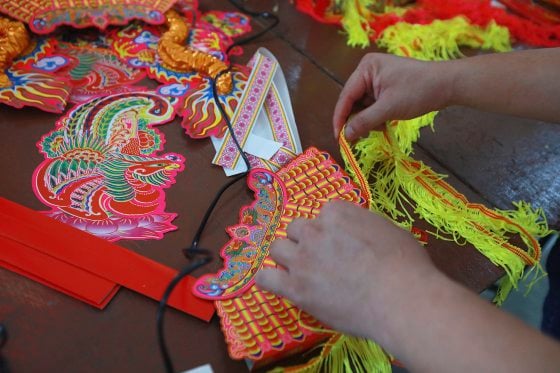
Before the workshop began, all the materials for making the altar were nicely arranged on the tables, awaiting the arrival of participants.
“Worshipping the Jade Emperor, simply put, is a way to give thanks on his birthday for the protection and blessings received,” explained Eric Ng. Although the tradition of worshipping the Jade Emperor originates from the Hokkien community, over time it has also influenced Cantonese, Teochew, and other Chinese dialect communities.
On this day, people pray for family peace and business prosperity. Since it’s the Jade Emperor’s birthday, they offer him gifts, and the most symbolic gift is his ‘house’, known as the Tian Gong Altar.

Among the many elements, the “Eight Immortals” are an essential part of the Tian Gong Altar’s design. These Eight Immortals refer to the legendary figures from Chinese mythology: Li Tieguai, He Xiangu, Zhang Guolao, Zhongli Quan (also known as Han Zhongli), Lan Caihe, Han Xiangzi, Cao Guojiu, and Lü Dongbin. Each represents different aspects of humanity, male, female, old, young, rich, noble, poor, and humble, encompassing all walks of life.
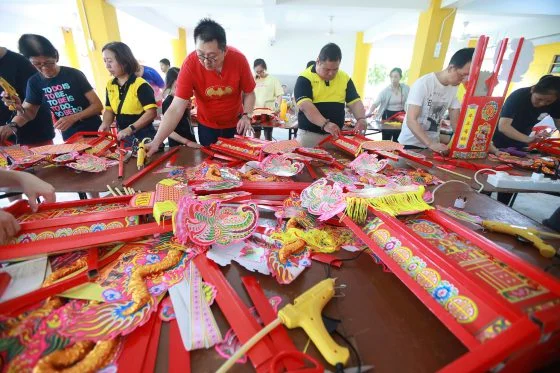
When it comes to making the Tian Gong Altar, Eric Ng has his principles. “In the original set of Eight Immortals materials I received, each immortal comes in a pair.”
If you look closely at the materials on the table, the eyes of the eight immortals are arranged to face each other in pairs. “Some people don’t understand and might stick them on the wrong way, which makes the whole setup look disharmonious. But if the immortals are placed correctly, they naturally face inward, giving a more united and harmonious appearance.”
The public was curious about making the Tian Gong Altar by hand.
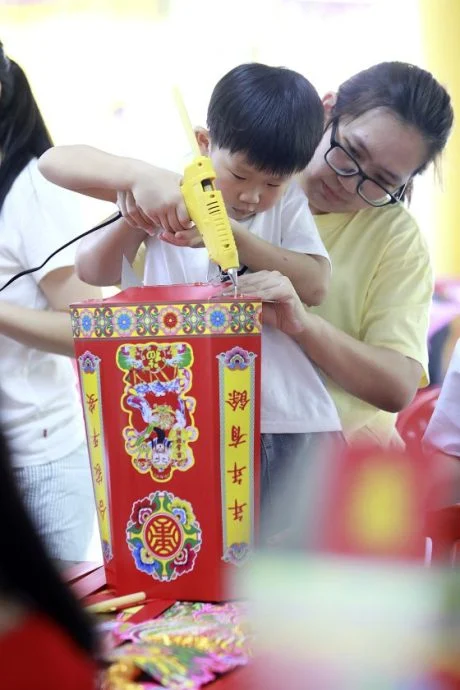
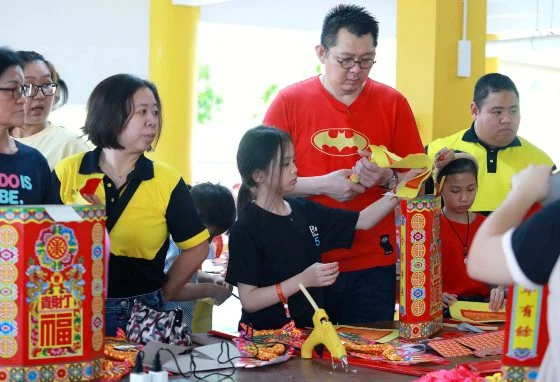
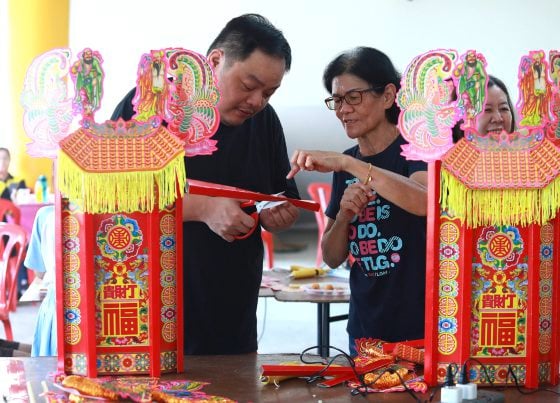
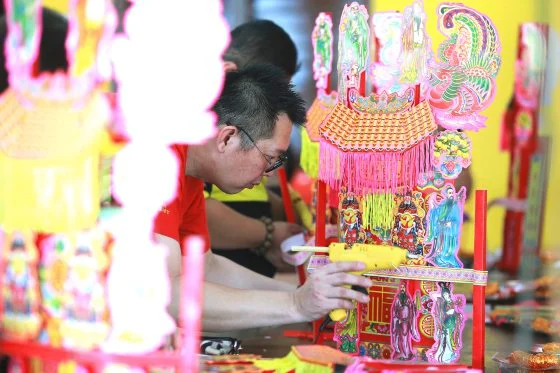
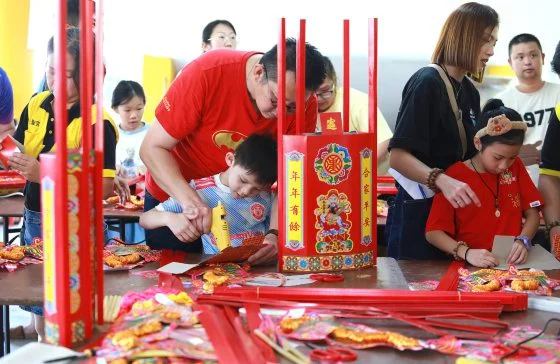
Besides adults who have attended, many parents also brought their children along. Everyone was filled with curiosity and excitement about creating the altar themselves. On the tables were tools like hot glue guns and scissors, along with materials such as the Eight Immortals, gold paper, “nobleman” paper, and dragons, all essential components for making the Tian Gong Altar.
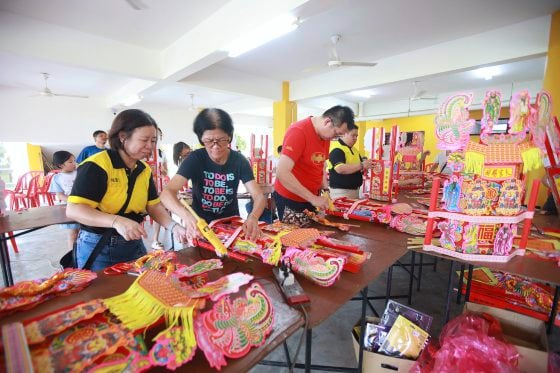
The process began by stuffing symbolic elements of wealth, like gold paper and ingots, into the pre-assembled base structure of the Tian Gong Altar.
“Some people even put coins inside to increase the weight,” said Eric Ng. After that, the opening was sealed with nobleman paper.
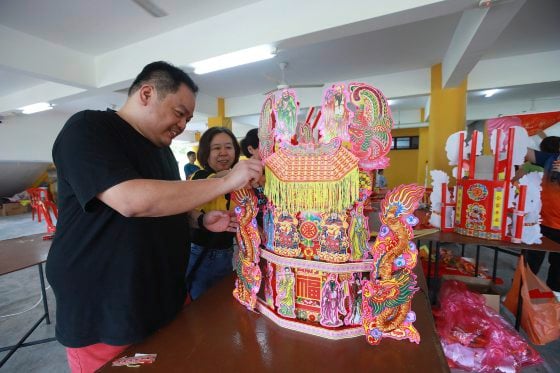
Next came the construction of the altar’s rooftop and base. Eric Ng explained each step carefully, frequently reminding participants: “Make sure it’s aligned,” and “Don’t cover the heads of the Eight Immortals.”
Although it may look simple, building a symmetrical and nice Tian Gong Altar requires a sharp eye and attention to detail.
“Many people say, ‘Isn’t it just paper? Why is paper craft so expensive?’ But once you experience it by yourself and realize it will take half a day to make a Tian Gong Altar, only then will you truly understand,” Ng said.
He added that handmade work is very personal; he encouraged participants to add their design touches during the workshop. Participants are decorating the roof of the altar with tassels.
After an hour, only the adults were still focused on the task, as the children had already lost patience.
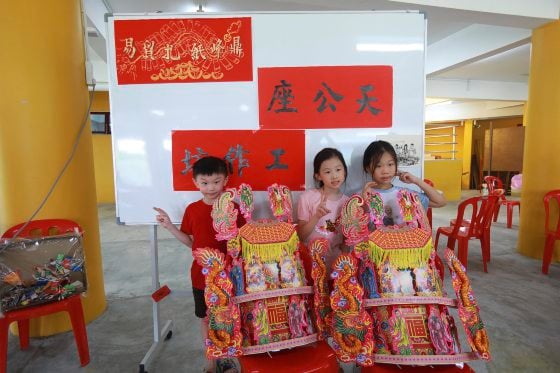
Though it might seem like the altar is simply a matter of “putting pieces together,” it’s full of intricate details. Still, with proper guidance, the children were able to complete their altars.
“This is just made from cardboard. In my workshop, we also make Tian Gong Altars with bamboo frames,” Ng added.
“It depends on what the customer wants. As for the bamboo version, even two hours wouldn’t be enough to finish.”
This wasn’t Eric Ng’s first time organizing such a workshop. He believes it’s one of the best ways to help the younger generation better understand traditional crafts.
“I’ve been scolded before,” he admitted. “Some elders think I’m revealing trade secrets, and that people will just start making them at home.”
But Ng takes a more open-minded approach: “If a participant comes to a single workshop and already knows how to make it, then well, that’s just talent.”
He admitted that mastering the art of paper crafting usually takes five to ten years of foundational practice.
“If someone can do it once and then open their own business, we should encourage them. This isn’t a trade that just anyone can do.”
Tew Seng Keng Temple Hopes to Carry on Tradition
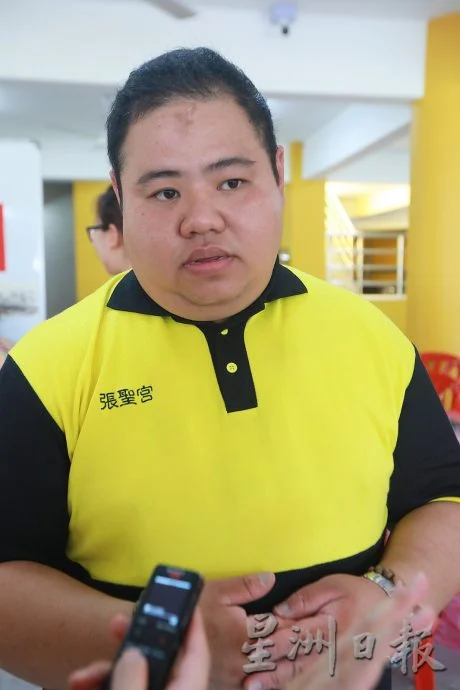
Lim Ching Yew, Vice Treasurer of the Tew Seng Keng Temple Committee, explained that when people think of Chinese New Year activities, they usually think of calligraphy. “So we wanted to do something different,” he said.
“We wanted something special that could also extend our traditional culture, so we reached out to Eric to organize this paper craft workshop.”
He explained that since many people in Klang are Hokkien, worshipping the Jade Emperor is a common tradition.
To help preserve this cultural practice, they decided to center the workshop around the Tian Gong Altar.
“We usually just buy the Tian Gong Altar, but we never really know what it means, like what the Eight Immortals represent. That’s why we wanted to bring people together to learn how to make it.”
The 3 hours workshop ended successfully. Participants could either take their Tian Gong Altars home or leave them at Tew Seng Keng Temple, where the temple staff would help burn them on the 9th day of the Lunar New Year.